
















What is conversion optimization?
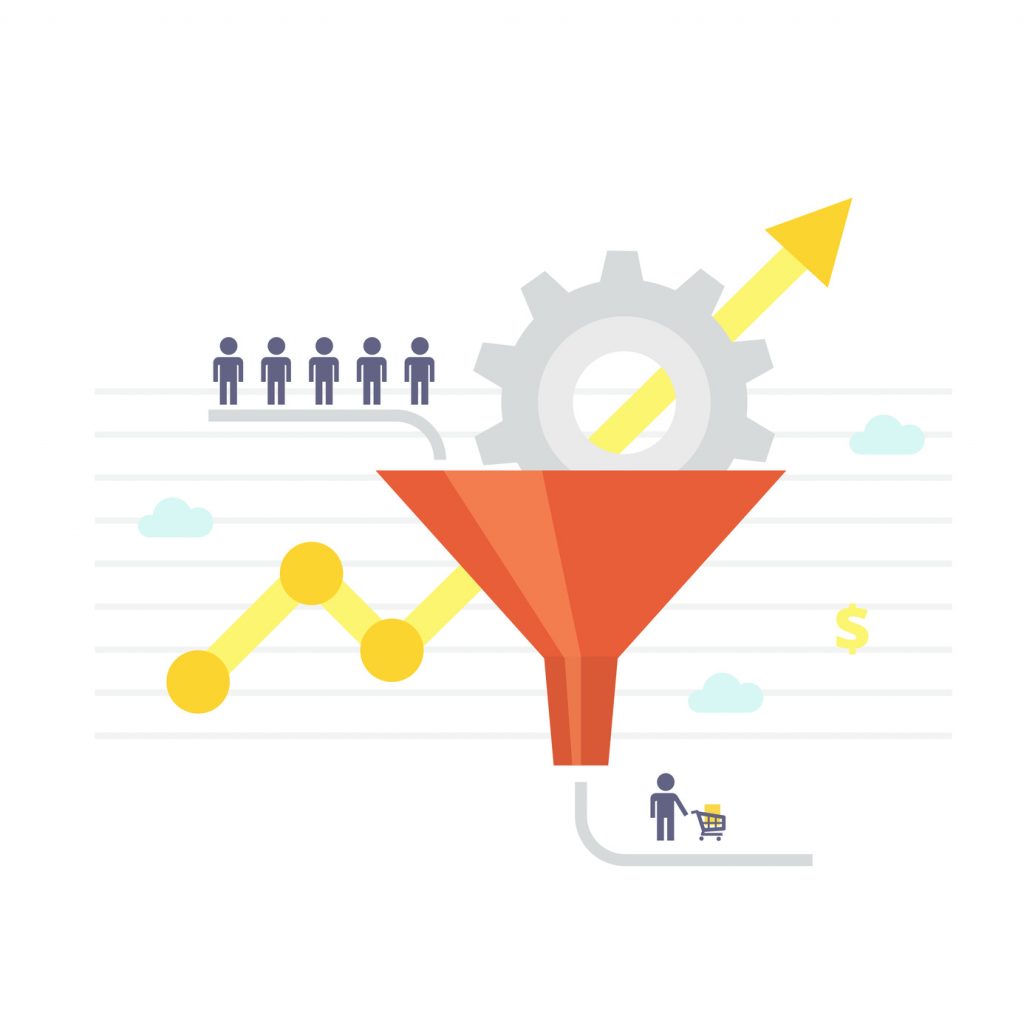
Conversion optimization, or CRO, is a systematic process designed to increase the percentage of your website’s visitors who take a specific action, whether it’s completing an email opt-in, filling out a form, requesting additional information, or something else. The goal of CRO is to convert passive website visitors—people who are just browsing—into more active users. Home, landing, pricing, and blog pages can all be optimized for a higher number of conversions.
When you improve user experiences, you’ll see more conversions because people will more easily find what you’re offering. When you work with CRO, you also get to know your target audience very well because when you do it right, you learn about their likes and dislikes—and when you analyze the data, you can use it to create a website that caters perfectly to the traffic you’re attracting.
Do you really need CRO?
In a word, yes! Conversion optimization facilitates your website’s ability to increase the percentage of people who visit your site and convert to paying customers—and generally, CRO costs little-to-nothing, if you do it yourself, unlike SEO. SEO costs money because you may be paying for someone to do your site’s SEO or you’re paying for click-throughs on the online advertising platforms like AdWords. But SEO doesn’t necessarily get your target audience to convert—SEO gets visitors to come to your page. CRO, however, is the magic that turns visitors to customers.
Are you ready for CRO?
If you can answer “yes” to the following items below, chances are you’re ready to add that conversion optimization piece.
- Your site has a clear, testable call to action (CTA).
- Your site’s generating enough traffic to test.
- You’ve optimized your site for search traffic (in other words, you’ve channeled your inner SEO Zen with descriptive keywords and long tail keywords, added alt.txt to your images and beefed up your metadata.
- Your site is mobile-friendly, and its pages load fast.
- You have, understand, and use Google Analytics to monitor your web traffic and track product conversions on your eCommerce website.
Other key indicators that show that your website needs a CRO strategy
Whether you’re actively involved in your business’s marketing or not, here are a few other indications that your website would benefit from a new CRO strategy to convert your site visitors to customers.
Google Analytics shows that your site’s receiving tons of visitors, but conversion rates are low and bounce rates are high. You need to determine how your visitors are interacting with the web page, especially since Google lowers organic search rankings of pages with high bounce rates. Conduct a funnel analysis, find the issue causing drop-offs/bounces, and target that area to improve user experiences.
Customer behavior. Your site’s customer behavior doesn’t match your knowledge of customer psychology. Try running a heatmap test to identify how visitors interact with your page—which pages get clicks, which pages or spots are ignored. Modify the pages that you want with which you want to increase visitor engagement.
Website woes. You’ve just revamped your website. You haven’t updated your website in ages. You left everything up to your website’s designer and took his word that the design would work—but potential customers are leaving and click-throughs are minimal.
Try these CRO strategies
Once you know your site will benefit from conversion optimization, try one—or more—of these strategies.
Create text-based CTAs within blog posts and copy. We’ve all become a bit immune to buttons and banners that ask us to “Learn more” or “Click here for more info.” Banner blindness is reality. Embedding a CTA that’s linked to a landing page and styled as an H3 or H4 increases leads dramatically.
Use lead flows. These slide-in or pop-up boxes and drop-down banners attract more attention and value. You’ll see increased conversions when you add lead flows to your blog posts. The trick is to use these tools effectively as part of your overall marketing strategy.
Conduct A/B testing on your landing pages. These pages (not to be confused with home pages) convert visitors into leads or encourage existing leads to engage more deeply with your product or brand. A/B (or split) testing allows you to compare two versions of a web page to see which performs better. Use an A/B testing calculator like this one to see if design or copy changes you’ve made are having a positive impact.
Aim for more MQL. Direct more leads to becoming marketing qualified leads (MQL) by making the process easy and streamlined. This process to convert visitors to MQLs also depends on the products or service you offer. Your best bet is to run a series of tests to see which process generates the greatest number of customers—and then optimize for that process. For example, if you’re offering a free product trial, you should optimize your website and conversion paths that direct potential customers to book a demo or meeting with a sales rep.
Automate your workflows. Your sales team will thank you when you build and incorporate automated workflows. Take advantage of the tools that automate repetitive tasks like emails and social media. The plethora of marketing automation technology available will help your teams generate more leads, close more deals, and measure marketing success.
Reach out. Depending on your brand and the products and services you offer, consider adding messaging capabilities to your high-traffic webpages, like pricing or product pages. Many visitors appreciate an opportunity to chat with a company in real-time. Here’s one way to build your own real-time chat app or this resource that uses Node.js.
Maximize your blogs. If you include a blog as part of your website, and you’ve been blogging regularly for a year or more, you’ll likely have some blog posts that outperform others. Take advantage of those winning posts and optimize them. Find the posts with high traffic levels but low conversion rates and verify that the content and copy align with your products or services or that your CTA is clear. You can also look at your blogs that have high conversion rates, optimize the content for search engines, or tweak the content regularly so it’s fresh and relevant.
The CRO philosophy
Adopt the philosophy to make your website work smarter—not harder. Prep your website to make sure it’s ready for conversion optimization designed to boost your bottom line. And when you’re ready to dive in, check out these best practices to make sure that your updates speak to your target audience and drive the results you want.
Check out our success stories to see how we helped clients decrease cost and increase sales.
Helpful resources
Discover the power of effective digital marketing.
Sign up to receive 9Sail’s exclusive content and tactical tips, focused on helping law firms grow.
9Sail takes your privacy seriously and will only use your personal information to deliver communications you have requested of us. You can change your preferences at any time.